

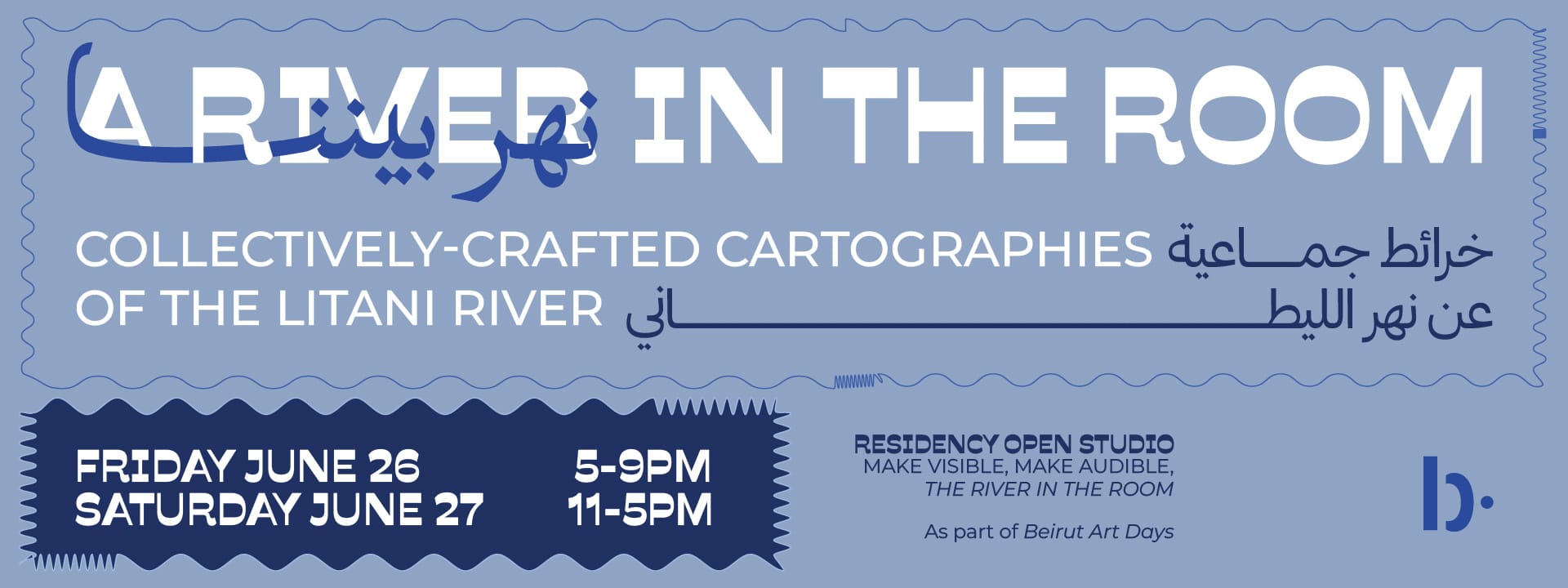
A River in the Room
Artists · Open Studios · Residency
June 26, 2026 - June 27, 2026
A River in the Room is a project by Coalitions of Belonging, supported by Culture Resource (Al-Mawred Al-Thaqafy). The residency at Beirut Art Center ran from May 28 till June 27, followed by open studios held during Beirut Art Days June 26-27.
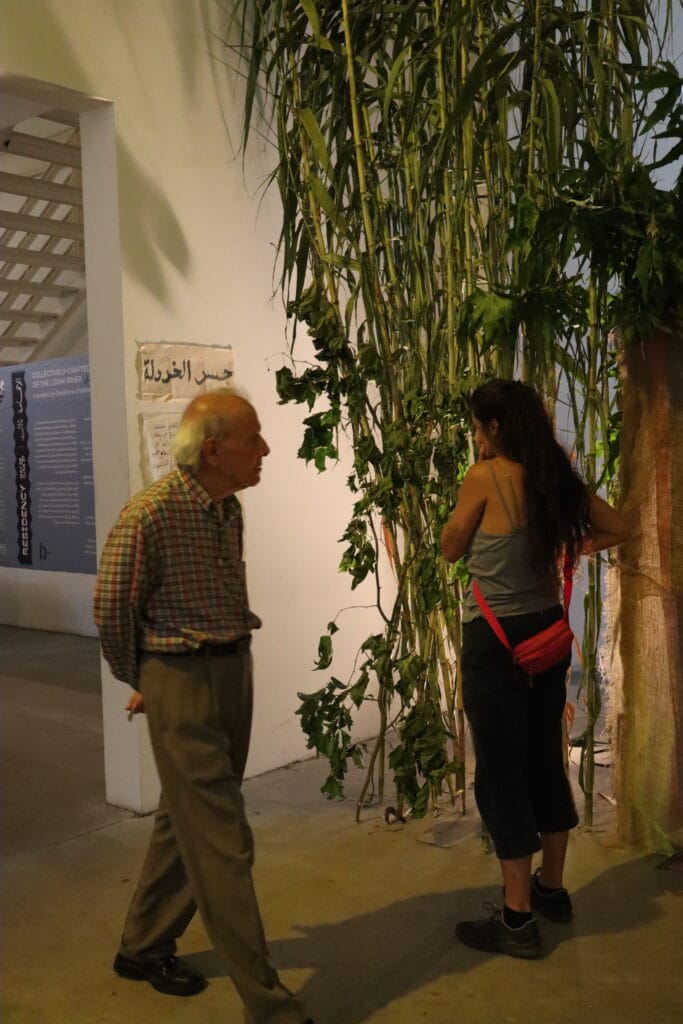
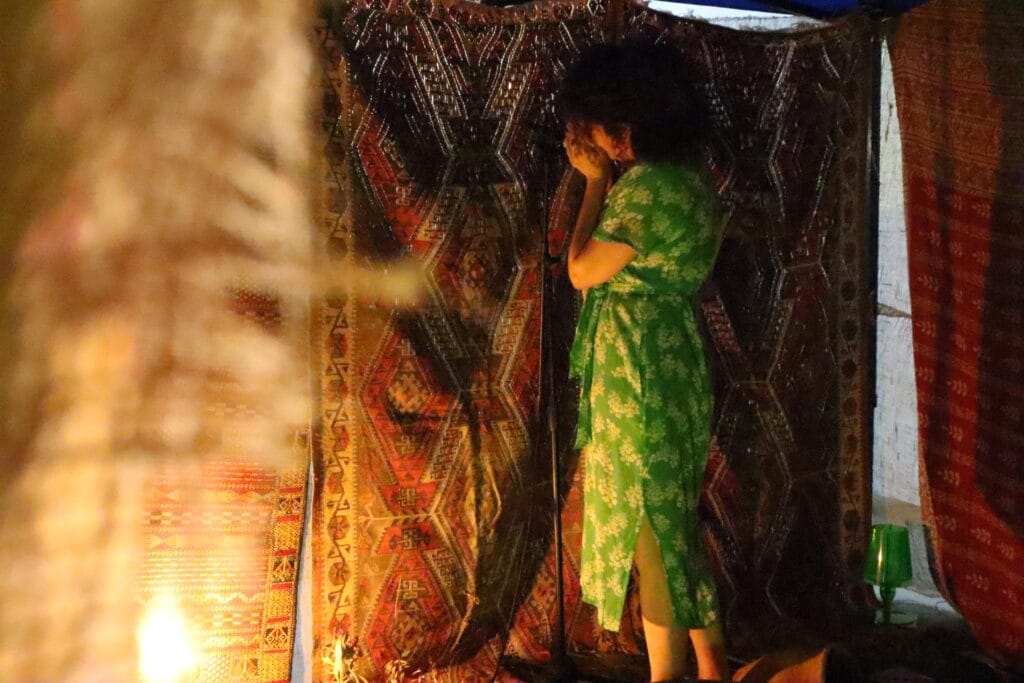
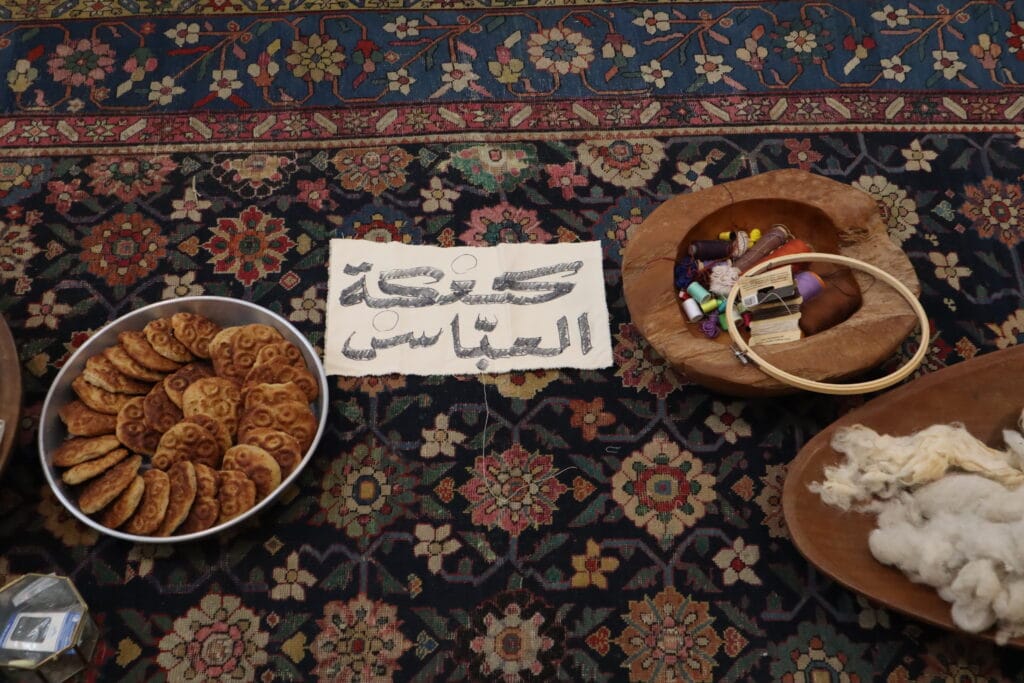
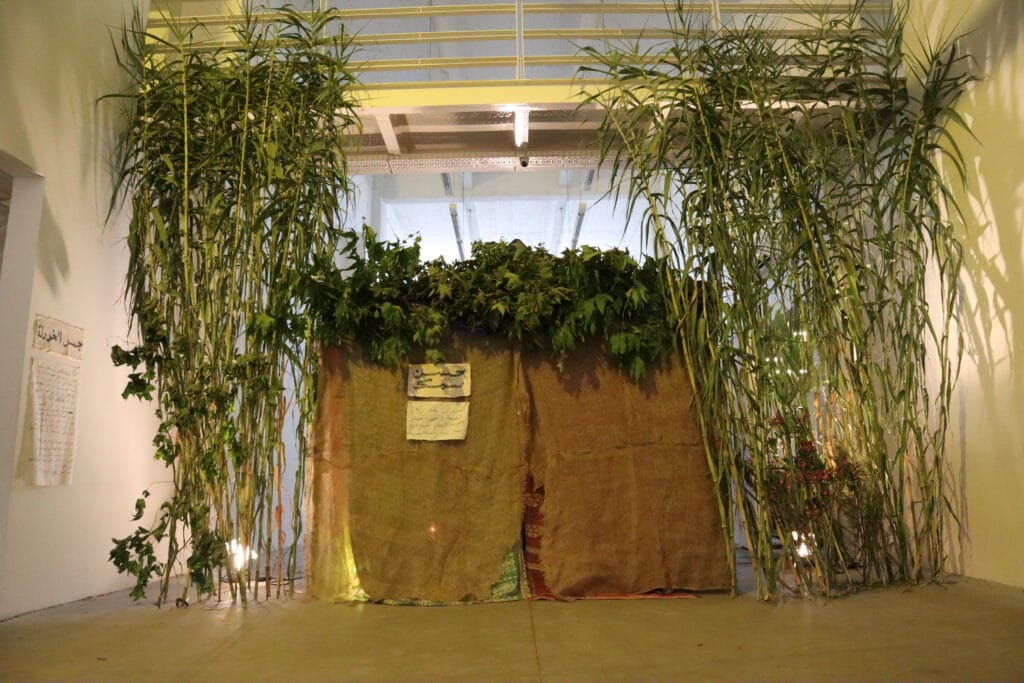
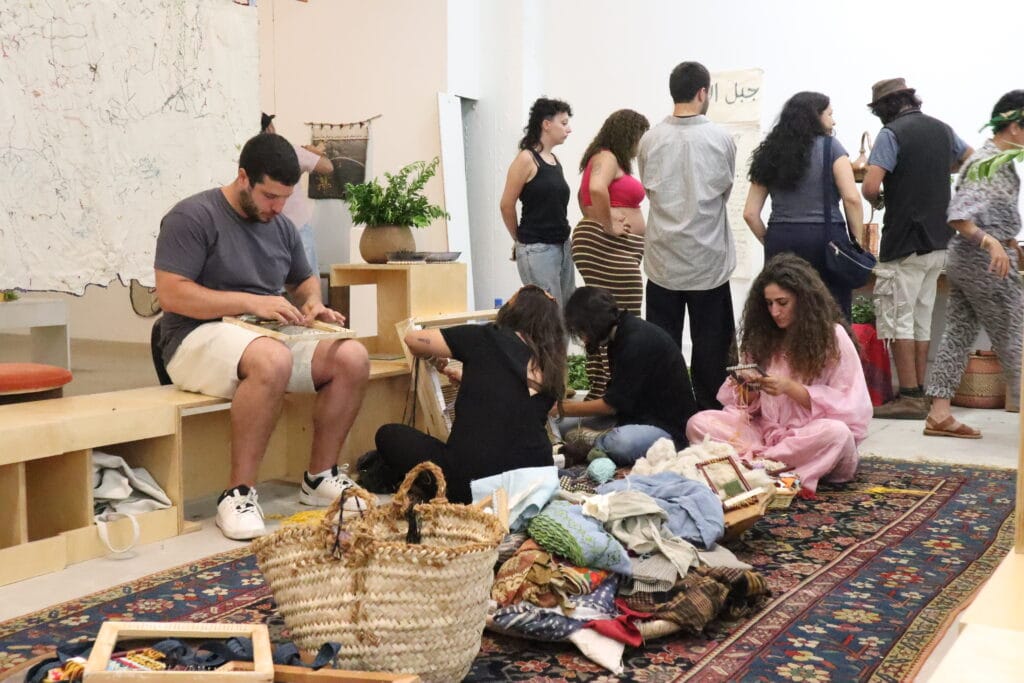
The Litani River. The seven-headed sea serpent of chaotic white waters, who winds through the fertile Beqaa Valley, and orients South. Who connects, as a vein, our most ancient cities. Who shapes agriculture, migration, labor, memory, infrastructure, ritual, and everyday survival across Lebanon. Who over the last 70 years has faced the epitome of extraction, pollution, forced displacement, occupation and ecological collapse.
How often do we witness this story? Where the places life converges around are so violently appropriated. Where the conditions for life are so utterly destroyed.
Where all the imperial tools are at work to convince us, in every way possible, that we cannot belong. That we cannot sustain. That there is nothing left to relate to.
Where a river on a map is turned into a yellow line, between life and death. Where her bridges, physically, are all destroyed, to separate.
And yet, she continues, rhythmically, lapping into infinity.
And yet, we return.
This residency gathers seven artists, researchers, and practitioners as bodies made of her possibility.
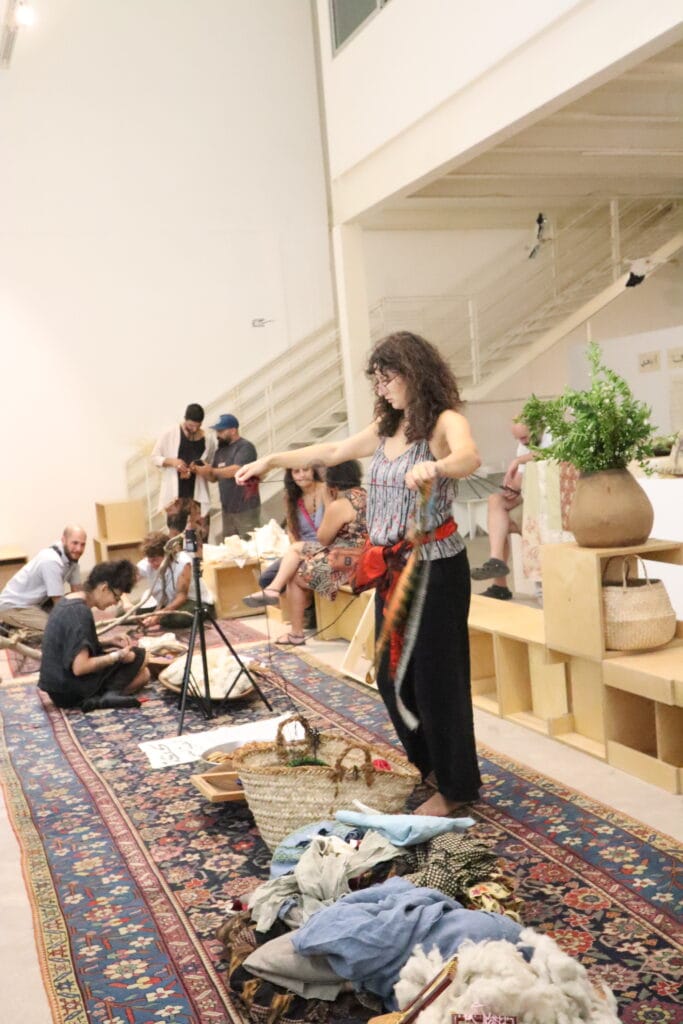
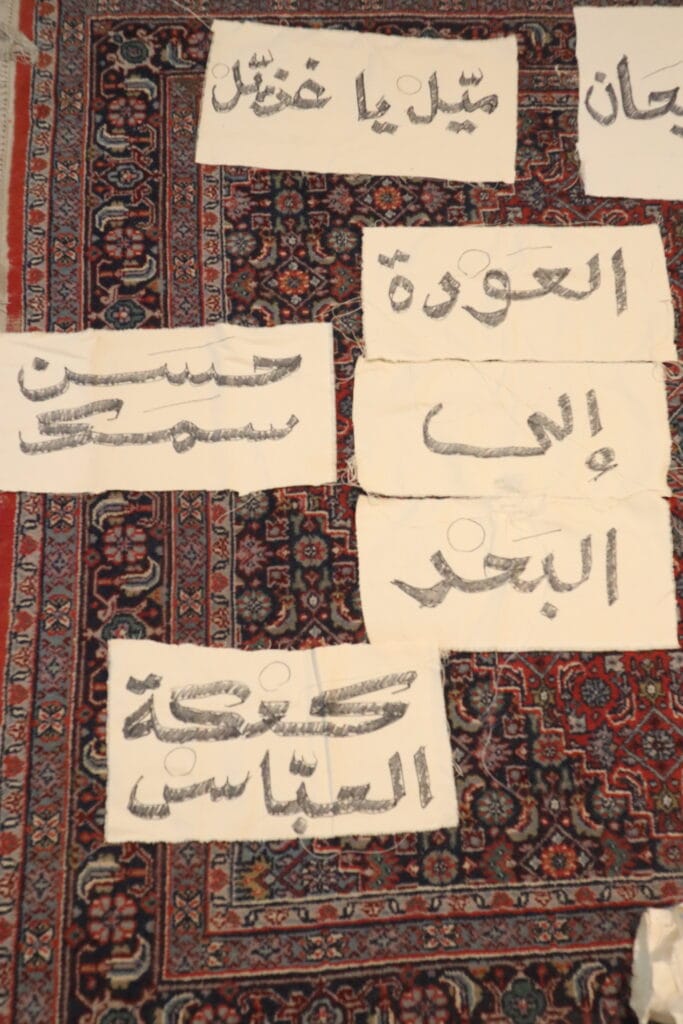
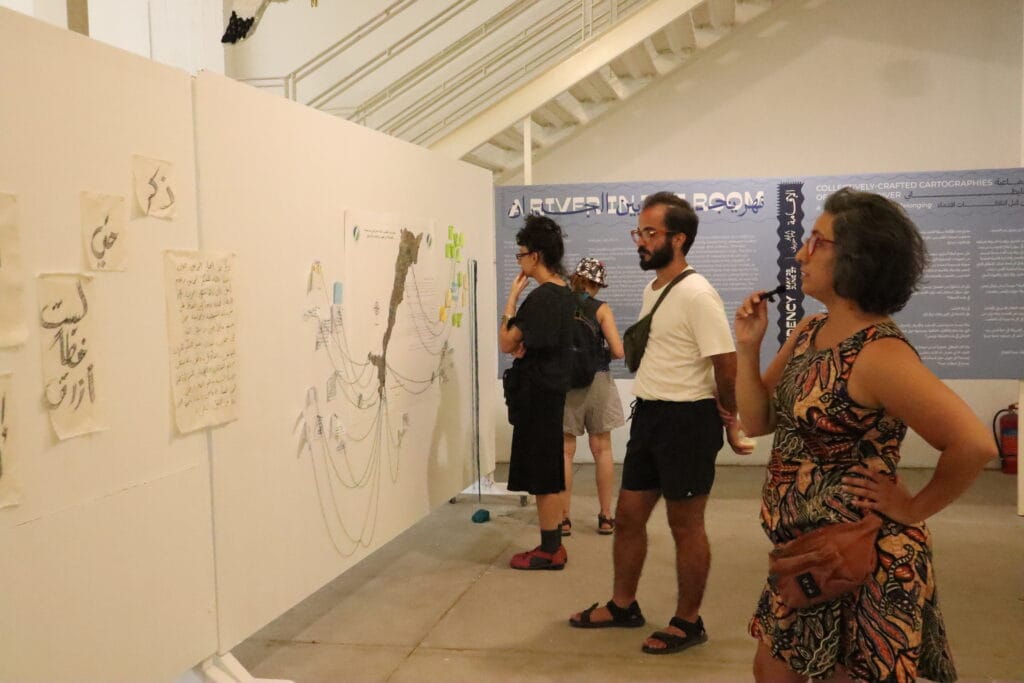
Over four weeks, the residents will work through a series of collective prompts that gradually form an evolving audio and textile cartography of the Litani River, moving across poetry, movement, microbiology, oral history, geomorphology, sound, and material practice. Each participant enters from a different discipline and vocabulary. All gather through a shared question: what does it mean in this moment to belong to the Litani River?
In the inheritance of violence.
And in the greater inheritance of being riverine.
What happens when we coalesce – expertise, generations, lived experiences, cultural traditions – around her banks at this moment and listen?
If the litani is so central to our livelihoods, so central to the violence we are subjected to, how does this translate into how we gather? What patterns do we embroider for our young beloveds? In what maqqam do we utter in our tired moments?
Cartography here is understood as a collective process of tracing relationship: between bodies and land, ecology and violence, inherited knowledge and contemporary crisis. The aim is to produce forms of mapping that remain intimate to our lived experience, capable of holding the paradoxes that this river invites us into – the fluid mythologies that take form in the vase of our times. We practice cartography as an act of repair, of community building, of weaving trust, of creating refuge for our narratives. The form of this methodology must resemble the justice it reaches toward.
Many of the regions connected to the Litani have experienced severe displacement over the past year. Families uprooted. Agricultural cycles interrupted. Access to land broken. Daily forms of continuity fractured. The residency responds by returning sustained, collective attention to the river in all our spaces of inhabitance and practice, by inviting all who enter to ask: what happens when we make visible, make audible, the River in the Room?
Facilitators: Boulos Saad, Asma El Hajal, Ayman El Iskandarani, Fadi Tabbal
Residents: Hadi Awada, Sama Beydoun, Rabab Chamseddine, Ahlam Dirani, Batoul Faour, Zeina Hamady, Wassim Tanios
Guest: Nathalie Abi Khalil