

Suni‘a Bisihrika — Made With Your Magic
Exhibition
July 30, 2026 - October 24, 2026
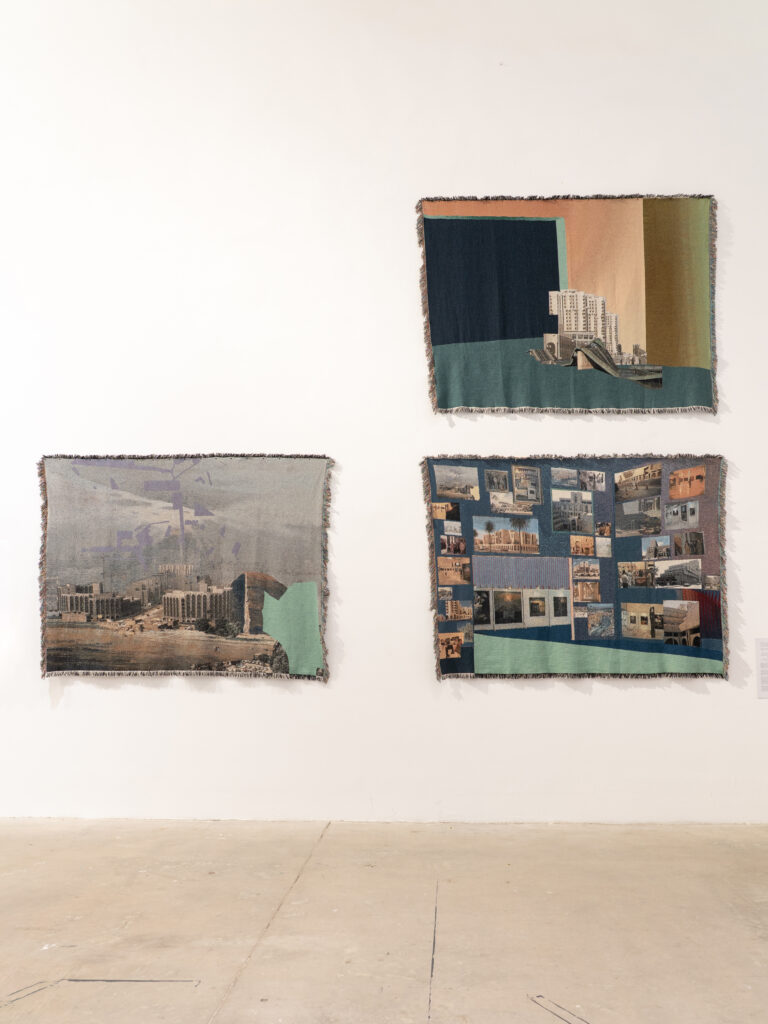
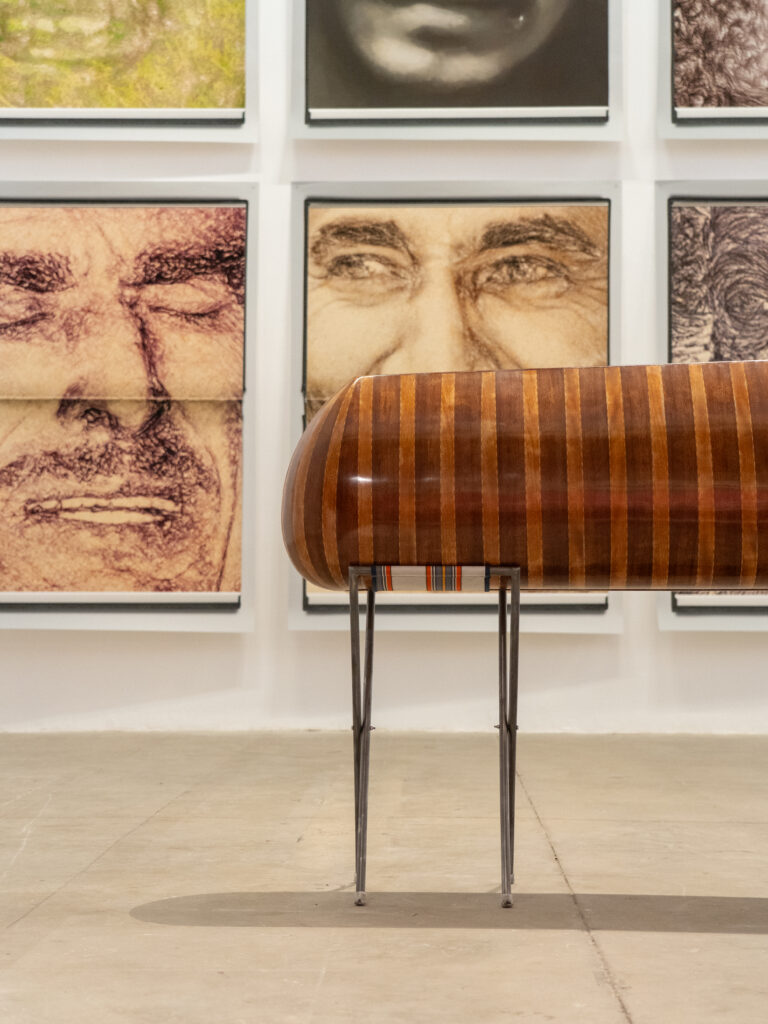
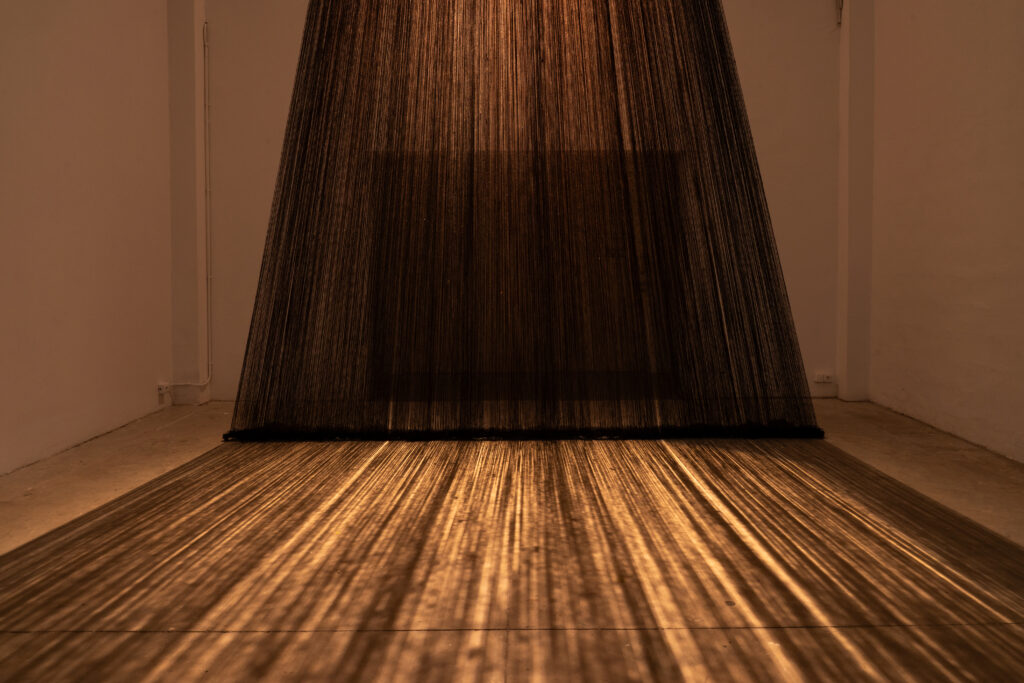
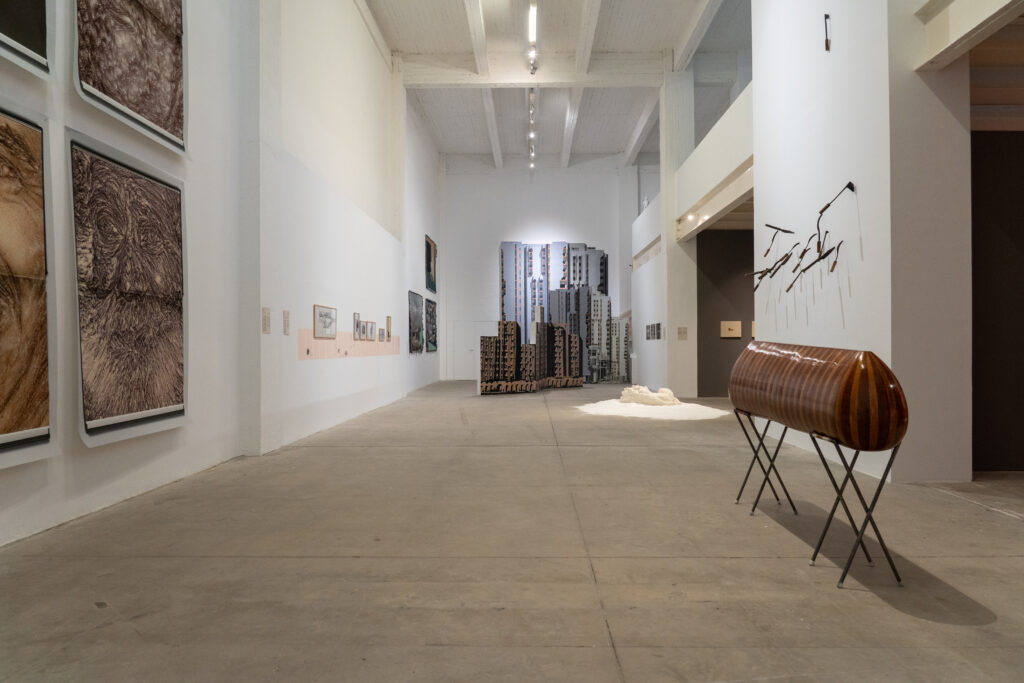
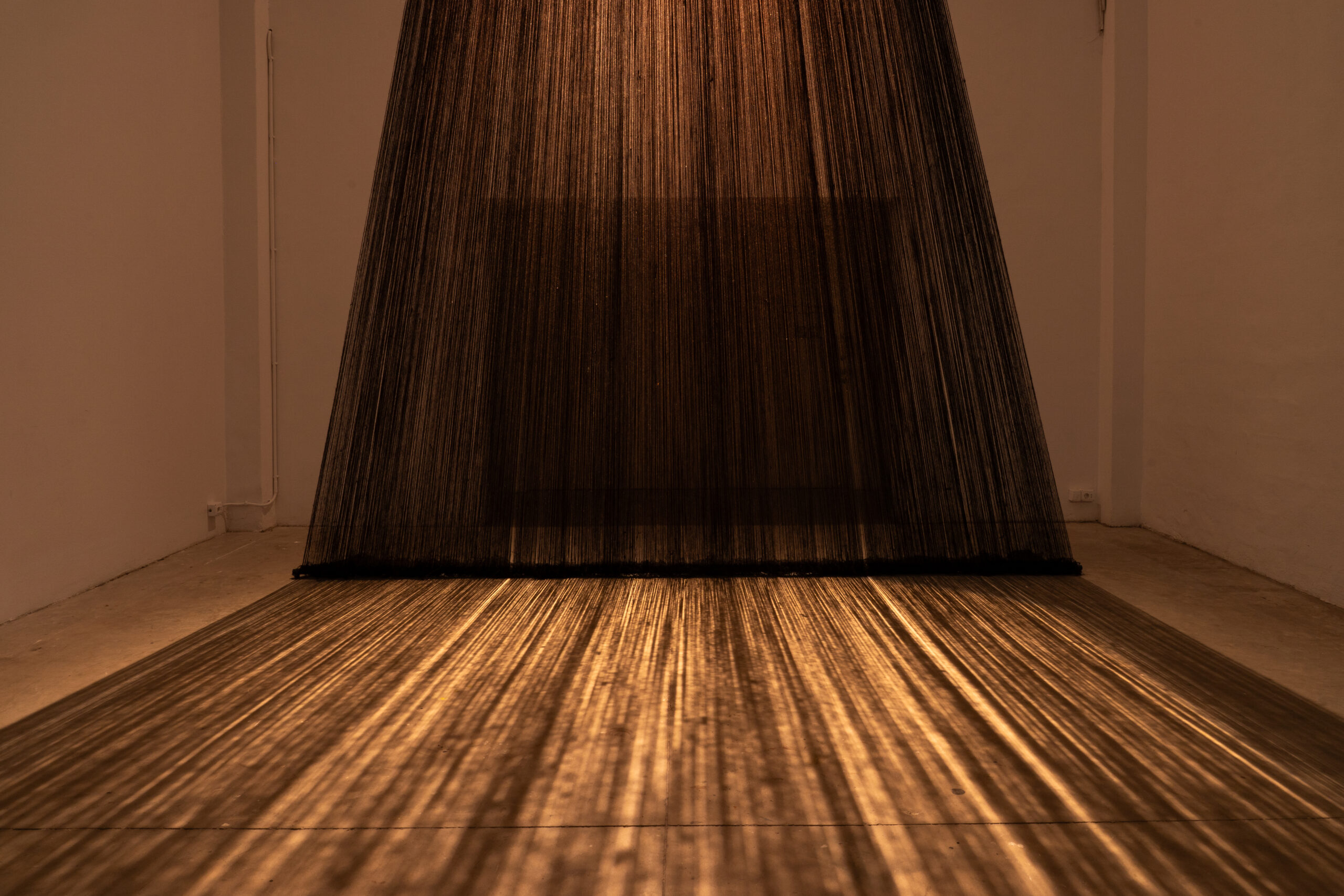
Suni‘a Bisihrika (“Made With Your Magic”) is the Beirut chapter of an ongoing artistic project conceived by Tarek Abou El Fetouh and initiated by Dream City Festival in Tunis. Following its inaugural presentation in Tunis in 2025, the project lands in Beirut with its second chapter through a new exhibition and public programme developed specifically for Beirut, before future chapters continue in Damascus, Jeddah, and Baghdad.
Suni‘a Bisihrika takes on a different form in every city. In Beirut, the exhibition brings together thirty-two artists from across the region, presenting works commissioned across the project’s different chapters alongside new commissions created for its Beirut presentation. In collaboration and conversation with Saradar Collection and the collection of Dalloul Art Foundation, selected works will be presented alongside the commissions and contemporary artworks. The project includes a twelve-week public program of conversations, listening sessions, and encounters.
The exhibition borrows its title from a mnemonic phrase used to memorize the eight principal Arabic maqāms. Each letter corresponds to the first letter of one of these foundational musical modes: Saba, Nahawand, ‘Ajam, Bayati, Sika, Hijaz, Rast, and Kurd.
Beyond their function as aesthetic structures, maqâms are charged with historical, cultural, social, and political dynamics that have formed over centuries. Examining the appellations and origins of these maqâms reveals that they reflect a rich artistic and cultural diversity beyond national, religious, and linguistic identity. They have endured through political shifts, cycles of exclusion and persecution, wars, and the collapse of empires.
The project draws inspiration from the signs and connotations conveyed by the histories of the maqâms beyond their sonic forms, in an approach that considers the contemporary moment in the region from which they emerged. In light of the geopolitical upheavals it has been witnessing, it is unavoidable to revisit questions of identity and territory, and to look at these shifts from within the sphere of art. The exhibition ponders questions related to the history of the maqâms as they reverberate into issues of minorities and identities, art and authority, and connections to land and other beings.
The Beirut chapter presents seven new commissions developed for the project’s inaugural exhibition in Tunis alongside seven new commissions produced for its Beirut chapter with the support of Culture Resource (Al-Mawred Al-Thaqafy). These new artworks form an expanding constellation of artistic practices that continues to evolve with each new chapter.
While the inaugural presentation in Tunis unfolded across ten historic buildings and eight cafés throughout the old city, in the Beirut chapter at Beirut Art Center, Molo Café and Bar takes up residence as an integral part of the exhibition. Conceived as a space for gathering, conversation, listening, and musical events organized around the eight principal maqāms., Molo remains active throughout the exhibition’s twelve-week duration. The café furniture features designs and textiles in collaboration with Oliver de Gemmayzeh and Skaff textiles. Molo forms an integral part of the exhibition’s spatial and social experience, inviting audiences to inhabit the exhibition as a place of encounter as much as contemplation.
Within this shared space, the exhibition also brings together works from two of the Arab world’s most significant art collections: the Saradar Collection and the Dalloul Art Foundation’s collection. In collaboration and conversation with the two collections, artworks are carefully selected and span from the early decades of the twentieth century through the 1980s, creating a dialogue between historical artistic practices and the contemporary commissions, extending the exhibition’s exploration of shared cultural histories across generations.
At a moment marked by profound political, social, cultural, and artistic transformations across the region, Suni‘a Bisihrika– Beirut invites a renewed reading of history and the imagination of new possible worlds. It proposes the space of art as uniquely capable of holding these questions, offering a place where inherited forms can be reconsidered, histories reread, and new ways of listening, gathering, and imagining the future can begin.